
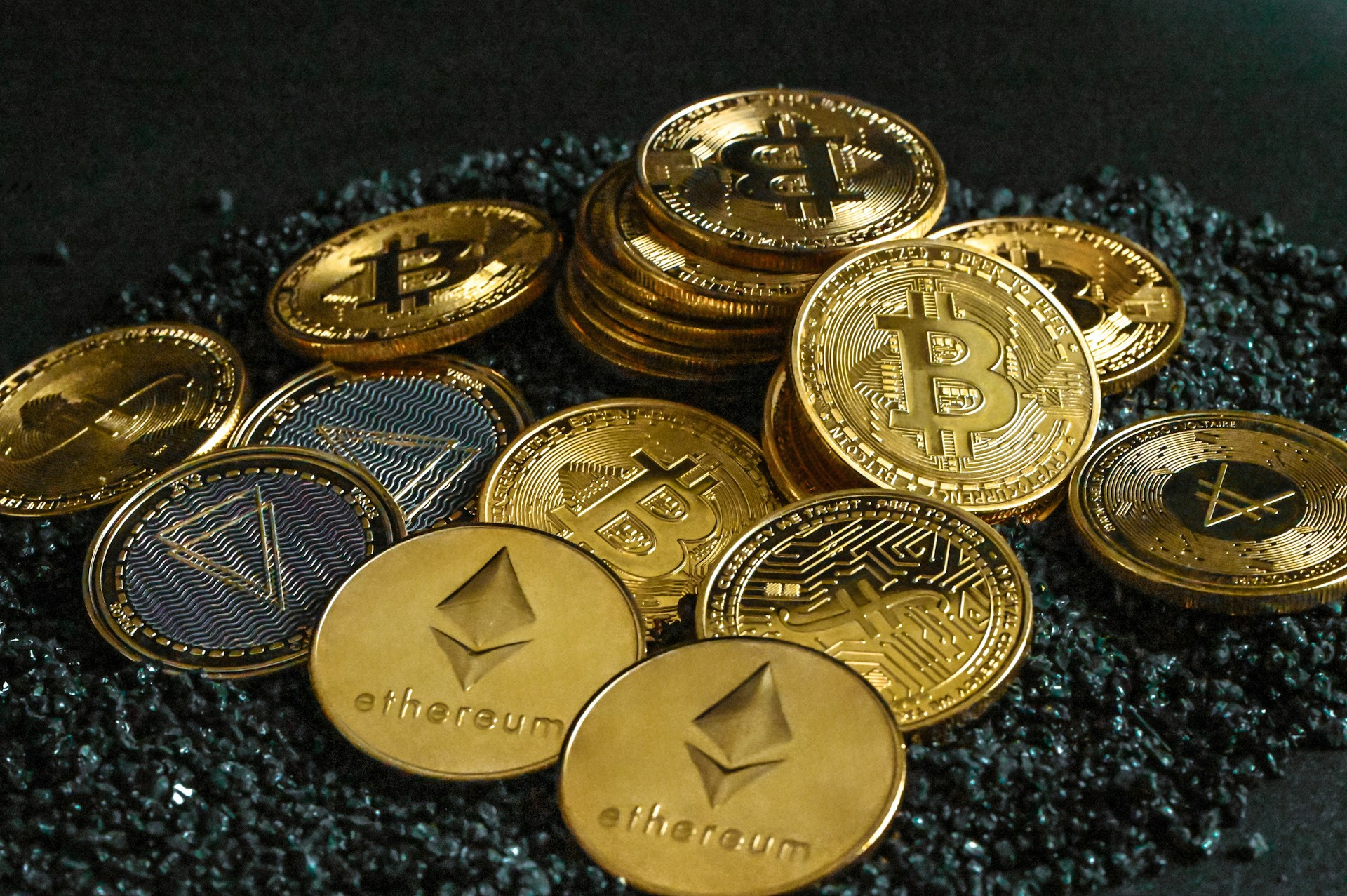
If you still think of cryptocurrency as just a “digital gold” that sits in a virtual vault, it is time to take a fresh look. By 2026, crypto has moved from being a confusing tech project to a tool that works quietly in the background of our everyday lives. Whether you are a business owner, a gamer, or someone just looking to send money to a friend, blockchain technology is likely working for you behind the scenes.
The most significant change is that crypto is no longer a separate world. It is merging with our traditional apps and banks, making it easier than ever to use. Here are five practical ways you are likely using crypto today in 2026.
1. Instant Global Payments with Stablecoins
In 2026, the days of waiting three business days for an international wire transfer are largely over. Stablecoins – digital tokens pegged to the value of the US dollar or other stable currencies – have become the internet’s primary dollar.
For the average person, this means sending money across borders is now as fast and simple as sending a text message. Since these transactions happen on a blockchain, the money moves directly from one person to another without needing to go through several different banks along the way. Whether you are a freelancer being paid by a client in London or someone sending support to family in Bengaluru, the money arrives in seconds, not days, and at a fraction of the cost of traditional methods.
2. Buying a ‘Slice’ of Real Estate and Assets
The concept of “tokenization” has gone mainstream this year. In the past, if you wanted to invest in a luxury apartment building or a rare piece of art, you needed millions of dollars. Today, those physical assets are being turned into digital tokens on the blockchain.
Now, you can buy a $500 “slice” of a commercial office building or a piece of a high-yielding government bond. You own a digital certificate that proves your fractional ownership, and you can even receive your share of the rent or interest automatically in your digital wallet. This has opened up the world of high-end investing to regular people, making wealth-building much more accessible.
3. Smart Shopping and Personal Finance
Retailers have finally figured out how to make crypto useful for everyday shopping. Instead of just “paying with Bitcoin,” many stores now use blockchain to run their loyalty programs. Imagine earning rewards that don’t just sit in a store app but are actual tokens you can trade, sell, or use at other partner shops.
Furthermore, many people now use a Crypto Trading Bot to help manage their digital savings. These bots allow you to automate trading so you can grow your holdings without having to watch the markets every hour. By setting simple rules, your wallet can handle automated trades that swap between different tokens to find the best value, making “Agentic Commerce” a standard part of how we manage our money.
4. Gaming and the Creator Economy
If you spend time online or playing video games, you are likely using crypto without even calling it that. In 2026, the items you earn in a game – like a special skin for your character or a rare tool – are often yours to keep as digital assets. Because these items are on the blockchain, you can move them between different games or sell them on a secondary market for real value.
For content creators like YouTubers or streamers, crypto has changed the game through micropayments. Fans can now “tip” their favorite creators with tiny amounts of digital currency – sometimes just a few cents at a time – with zero fees. This allows creators to earn a living directly from their audience rather than relying entirely on big advertising companies.
5. Corporate Reserves and ‘Always-On’ Finance
Even if you don’t personally own crypto, the companies you buy from definitely do. In 2026, it has become common for major corporations to hold Bitcoin or stablecoins as part of their “corporate reserve.” This isn’t just for investment; it allows companies to manage their money 24/7.
Traditional banks used to close on weekends and holidays, but the blockchain never sleeps. Large companies now use these digital rails to move millions of dollars between their global offices on a Sunday evening to prepare for Monday morning operations. This “always-on” treasury management keeps the global economy moving faster and more efficiently, which ultimately leads to better services and lower prices for consumers like us.
Final Thoughts
The most notable thing about crypto in 2026 is how normal and routine it has become for everyone to use. We no longer spend all day talking about the technology itself; instead, we focus on what it does for us.
Just like we don’t think about the complex protocols that make the internet work when we send an email, we no longer need to understand the math behind a blockchain to send money or buy a digital asset. Crypto has finally become a helpful, everyday tool that makes our financial lives faster, fairer, and much more connected.